
| 製品: | MTA1 Antibody |
| カタログ: | AF0444 |
| タンパク質の説明: | Rabbit polyclonal antibody to MTA1 |
| アプリケーション: | WB IF/ICC |
| 反応性: | Human, Mouse, Rat |
| 予測: | Pig, Bovine, Horse, Rabbit, Dog, Chicken |
| 分子量: | 80kDa(Observed); 81kD(Calculated). |
| ユニプロット: | Q13330 |
| RRID: | AB_2834250 |
Control Products
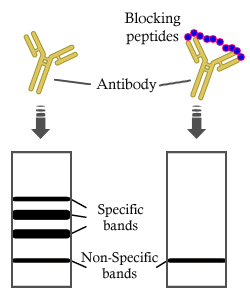
製品説明
*The optimal dilutions should be determined by the end user. For optimal experimental results, antibody reuse is not recommended.
*Tips:
WB: For western blot detection of denatured protein samples. IHC: For immunohistochemical detection of paraffin sections (IHC-p) or frozen sections (IHC-f) of tissue samples. IF/ICC: For immunofluorescence detection of cell samples. ELISA(peptide): For ELISA detection of antigenic peptide.
引用形式: Affinity Biosciences Cat# AF0444, RRID:AB_2834250.
折りたたみ/展開
Metastasis associated 1; Metastasis associated gene 1; Metastasis associated gene 1 protein; Metastasis associated protein; Metastasis associated protein MTA 1; Metastasis associated protein MTA1; Metastasis-associated protein MTA1; MTA 1; MTA1; MTA1_HUMAN;
免疫原
A synthesized peptide derived from human MTA1, corresponding to a region within the internal amino acids.
Widely expressed. High expression in brain, liver, kidney, and cardiac muscle, ovaries, adrenal glands and virgin mammary glands. Higher in tumors than in adjacent normal tissue from the same individual. Up-regulated in a wide variety of cancers including breast, liver, ovarian, and colorectal cancer and its expression levels are closely correlated with tumor aggressiveness and metastasis.
- Q13330 MTA1_HUMAN:
- Protein BLAST With
- NCBI/
- ExPASy/
- Uniprot
MAANMYRVGDYVYFENSSSNPYLIRRIEELNKTANGNVEAKVVCFYRRRDISSTLIALADKHATLSVCYKAGPGADNGEEGEIEEEMENPEMVDLPEKLKHQLRHRELFLSRQLESLPATHIRGKCSVTLLNETESLKSYLEREDFFFYSLVYDPQQKTLLADKGEIRVGNRYQADITDLLKEGEEDGRDQSRLETQVWEAHNPLTDKQIDQFLVVARSVGTFARALDCSSSVRQPSLHMSAAAASRDITLFHAMDTLHKNIYDISKAISALVPQGGPVLCRDEMEEWSASEANLFEEALEKYGKDFTDIQQDFLPWKSLTSIIEYYYMWKTTDRYVQQKRLKAAEAESKLKQVYIPNYNKPNPNQISVNNVKAGVVNGTGAPGQSPGAGRACESCYTTQSYQWYSWGPPNMQCRLCASCWTYWKKYGGLKMPTRLDGERPGPNRSNMSPHGLPARSSGSPKFAMKTRQAFYLHTTKLTRIARRLCREILRPWHAARHPYLPINSAAIKAECTARLPEASQSPLVLKQAVRKPLEAVLRYLETHPRPPKPDPVKSVSSVLSSLTPAKVAPVINNGSPTILGKRSYEQHNGVDGNMKKRLLMPSRGLANHGQARHMGPSRNLLLNGKSYPTKVRLIRGGSLPPVKRRRMNWIDAPDDVFYMATEETRKIRKLLSSSETKRAARRPYKPIALRQSQALPPRPPPPAPVNDEPIVIED
種類予測
Score>80(red) has high confidence and is suggested to be used for WB detection. *The prediction model is mainly based on the alignment of immunogen sequences, the results are for reference only, not as the basis of quality assurance.
High(score>80) Medium(80>score>50) Low(score<50) No confidence
研究背景
Transcriptional coregulator which can act as both a transcriptional corepressor and coactivator. As a part of the histone-deacetylase multiprotein complex (NuRD), regulates transcription of its targets by modifying the acetylation status of the target chromatin and cofactor accessibility to the target DNA. In conjunction with other components of NuRD, acts as a transcriptional corepressor of BRCA1, ESR1, TFF1 and CDKN1A. Acts as a transcriptional coactivator of BCAS3, PAX5 and SUMO2, independent of the NuRD complex. Stimulates the expression of WNT1 by inhibiting the expression of its transcriptional corepressor SIX3. Regulates p53-dependent and -independent DNA repair processes following genotoxic stress. Regulates the stability and function of p53/TP53 by inhibiting its ubiquitination by COP1 and MDM2 thereby regulating the p53-dependent DNA repair. Plays an important role in tumorigenesis, tumor invasion, and metastasis. Involved in the epigenetic regulation of ESR1 expression in breast cancer in a TFAP2C, IFI16 and HDAC4/5/6-dependent manner. Plays a role in the regulation of the circadian clock and is essential for the generation and maintenance of circadian rhythms under constant light and for normal entrainment of behavior to light-dark (LD) cycles. Positively regulates the CLOCK-ARNTL/BMAL1 heterodimer mediated transcriptional activation of its own transcription and the transcription of CRY1. Regulates deacetylation of ARNTL/BMAL1 by regulating SIRT1 expression, resulting in derepressing CRY1-mediated transcription repression. Isoform Short binds to ESR1 and sequesters it in the cytoplasm and enhances its non-genomic responses. With TFCP2L1, promotes establishment and maintenance of pluripotency in embryonic stem cells (ESCs) and inhibits endoderm differentiation (By similarity).
Phosphorylation by CSNK1G2/CK1 triggered by estrogen enhances corepression of estrogen receptor (ER).
Acetylation is essential for its transcriptional coactivator activity.
Sumoylation positively regulates its transcriptional corepressor activity but does not affect the protein stability. Sumoylated preferentially by SUMO2 or SUMO3 than SUMO1. Sumoylation is enhanced by PIAS1/3/4 and preferentially sumoylated by SUMO2 in the presence of PIAS1/3/4. Desumoylated by SENP1.
Ubiquitinated by COP1, which leads to proteasomal degradation.
Cytoplasm.
Nucleus. Nucleus envelope. Cytoplasm. Cytoplasm>Cytoskeleton.
Note: Associated with microtubules. Localization at the nuclear envelope is TPR-dependent.
Widely expressed. High expression in brain, liver, kidney, and cardiac muscle, ovaries, adrenal glands and virgin mammary glands. Higher in tumors than in adjacent normal tissue from the same individual. Up-regulated in a wide variety of cancers including breast, liver, ovarian, and colorectal cancer and its expression levels are closely correlated with tumor aggressiveness and metastasis.
Isoform Short contains a Leu-Arg-Ile-Leu-Leu motif (ER binding motif).
Restrictive clause
Affinity Biosciences tests all products strictly. Citations are provided as a resource for additional applications that have not been validated by Affinity Biosciences. Please choose the appropriate format for each application and consult Materials and Methods sections for additional details about the use of any product in these publications.
For Research Use Only.
Not for use in diagnostic or therapeutic procedures. Not for resale. Not for distribution without written consent. Affinity Biosciences will not be held responsible for patent infringement or other violations that may occur with the use of our products. Affinity Biosciences, Affinity Biosciences Logo and all other trademarks are the property of Affinity Biosciences LTD.