


Control Products
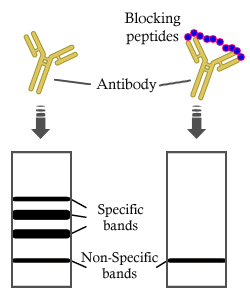
製品説明
*The optimal dilutions should be determined by the end user. For optimal experimental results, antibody reuse is not recommended.
*Tips:
WB: For western blot detection of denatured protein samples. IHC: For immunohistochemical detection of paraffin sections (IHC-p) or frozen sections (IHC-f) of tissue samples. IF/ICC: For immunofluorescence detection of cell samples. ELISA(peptide): For ELISA detection of antigenic peptide.
引用形式: Affinity Biosciences Cat# DF6735, RRID:AB_2838697.
折りたたみ/展開
DKFZp686O1576; FLJ43041; IMB3; Imp5; Importin 5; Importin beta 3 subunit; Importin subunit beta 3; Importin subunit beta-3; Importin-5; IPO 5; IPO5; IPO5_HUMAN; Karyopherin beta 3; Karyopherin beta-3; KPNB3; MGC2068; Pse1; Ran binding protein 5; Ran GTP binding protein 5; Ran-binding protein 5; RanBP 5; RanBP5;
免疫原
A synthesized peptide derived from human IPO5, corresponding to a region within the internal amino acids.
- O00410 IPO5_HUMAN:
- Protein BLAST With
- NCBI/
- ExPASy/
- Uniprot
MAAAAAEQQQFYLLLGNLLSPDNVVRKQAEETYENIPGQSKITFLLQAIRNTTAAEEARQMAAVLLRRLLSSAFDEVYPALPSDVQTAIKSELLMIIQMETQSSMRKKVCDIAAELARNLIDEDGNNQWPEGLKFLFDSVSSQNVGLREAALHIFWNFPGIFGNQQQHYLDVIKRMLVQCMQDQEHPSIRTLSARATAAFILANEHNVALFKHFADLLPGFLQAVNDSCYQNDDSVLKSLVEIADTVPKYLRPHLEATLQLSLKLCGDTSLNNMQRQLALEVIVTLSETAAAMLRKHTNIVAQTIPQMLAMMVDLEEDEDWANADELEDDDFDSNAVAGESALDRMACGLGGKLVLPMIKEHIMQMLQNPDWKYRHAGLMALSAIGEGCHQQMEGILNEIVNFVLLFLQDPHPRVRYAACNAVGQMATDFAPGFQKKFHEKVIAALLQTMEDQGNQRVQAHAAAALINFTEDCPKSLLIPYLDNLVKHLHSIMVLKLQELIQKGTKLVLEQVVTSIASVADTAEEKFVPYYDLFMPSLKHIVENAVQKELRLLRGKTIECISLIGLAVGKEKFMQDASDVMQLLLKTQTDFNDMEDDDPQISYMISAWARMCKILGKEFQQYLPVVMGPLMKTASIKPEVALLDTQDMENMSDDDGWEFVNLGDQQSFGIKTAGLEEKSTACQMLVCYAKELKEGFVEYTEQVVKLMVPLLKFYFHDGVRVAAAESMPLLLECARVRGPEYLTQMWHFMCDALIKAIGTEPDSDVLSEIMHSFAKCIEVMGDGCLNNEHFEELGGILKAKLEEHFKNQELRQVKRQDEDYDEQVEESLQDEDDNDVYILTKVSDILHSIFSSYKEKVLPWFEQLLPLIVNLICPHRPWPDRQWGLCIFDDVIEHCSPASFKYAEYFLRPMLQYVCDNSPEVRQAAAYGLGVMAQYGGDNYRPFCTEALPLLVRVIQSADSKTKENVNATENCISAVGKIMKFKPDCVNVEEVLPHWLSWLPLHEDKEEAVQTFNYLCDLIESNHPIVLGPNNTNLPKIFSIIAEGEMHEAIKHEDPCAKRLANVVRQVQTSGGLWTECIAQLSPEQQAAIQELLNSA
種類予測
Score>80(red) has high confidence and is suggested to be used for WB detection. *The prediction model is mainly based on the alignment of immunogen sequences, the results are for reference only, not as the basis of quality assurance.
High(score>80) Medium(80>score>50) Low(score<50) No confidence
研究背景
Functions in nuclear protein import as nuclear transport receptor. Serves as receptor for nuclear localization signals (NLS) in cargo substrates. Is thought to mediate docking of the importin/substrate complex to the nuclear pore complex (NPC) through binding to nucleoporin and the complex is subsequently translocated through the pore by an energy requiring, Ran-dependent mechanism. At the nucleoplasmic side of the NPC, Ran binds to the importin, the importin/substrate complex dissociates and importin is re-exported from the nucleus to the cytoplasm where GTP hydrolysis releases Ran. The directionality of nuclear import is thought to be conferred by an asymmetric distribution of the GTP- and GDP-bound forms of Ran between the cytoplasm and nucleus (By similarity). Mediates the nuclear import of ribosomal proteins RPL23A, RPS7 and RPL5. Binds to a beta-like import receptor binding (BIB) domain of RPL23A. In vitro, mediates nuclear import of H2A, H2B, H3 and H4 histones. Binds to CPEB3 and mediates its nuclear import following neuronal stimulation (By similarity). In case of HIV-1 infection, binds and mediates the nuclear import of HIV-1 Rev.
Cytoplasm. Nucleus. Nucleus>Nucleolus.
Note: Nucleus; nuclear rim. Found particularly in the nuclear rim and nucleolus.
Belongs to the importin beta family. Importin beta-3 subfamily.
Restrictive clause
Affinity Biosciences tests all products strictly. Citations are provided as a resource for additional applications that have not been validated by Affinity Biosciences. Please choose the appropriate format for each application and consult Materials and Methods sections for additional details about the use of any product in these publications.
For Research Use Only.
Not for use in diagnostic or therapeutic procedures. Not for resale. Not for distribution without written consent. Affinity Biosciences will not be held responsible for patent infringement or other violations that may occur with the use of our products. Affinity Biosciences, Affinity Biosciences Logo and all other trademarks are the property of Affinity Biosciences LTD.