

Control Products
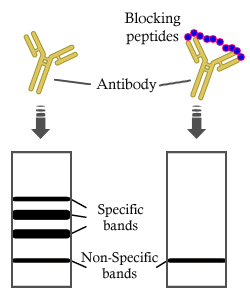
製品説明
*The optimal dilutions should be determined by the end user. For optimal experimental results, antibody reuse is not recommended.
*Tips:
WB: For western blot detection of denatured protein samples. IHC: For immunohistochemical detection of paraffin sections (IHC-p) or frozen sections (IHC-f) of tissue samples. IF/ICC: For immunofluorescence detection of cell samples. ELISA(peptide): For ELISA detection of antigenic peptide.
折りたたみ/展開
CHD2 42; CHD2 52; CHD2; Down syndrome cell adhesion molecule; DSCAM; DSCAM_HUMAN; human CHD2-52 down syndrome cell adhesion molecule 2, 9; OTTHUMP00000109193 2; SD11109p;
免疫原
A synthesized peptide derived from human DSCAM.
- O60469 DSCAM_HUMAN:
- Protein BLAST With
- NCBI/
- ExPASy/
- Uniprot
MWILALSLFQSFANVFSEDLHSSLYFVNASLQEVVFASTTGTLVPCPAAGIPPVTLRWYLATGEEIYDVPGIRHVHPNGTLQIFPFPPSSFSTLIHDNTYYCTAENPSGKIRSQDVHIKAVLREPYTVRVEDQKTMRGNVAVFKCIIPSSVEAYITVVSWEKDTVSLVSGSRFLITSTGALYIKDVQNEDGLYNYRCITRHRYTGETRQSNSARLFVSDPANSAPSILDGFDHRKAMAGQRVELPCKALGHPEPDYRWLKDNMPLELSGRFQKTVTGLLIENIRPSDSGSYVCEVSNRYGTAKVIGRLYVKQPLKATISPRKVKSSVGSQVSLSCSVTGTEDQELSWYRNGEILNPGKNVRITGINHENLIMDHMVKSDGGAYQCFVRKDKLSAQDYVQVVLEDGTPKIISAFSEKVVSPAEPVSLMCNVKGTPLPTITWTLDDDPILKGGSHRISQMITSEGNVVSYLNISSSQVRDGGVYRCTANNSAGVVLYQARINVRGPASIRPMKNITAIAGRDTYIHCRVIGYPYYSIKWYKNSNLLPFNHRQVAFENNGTLKLSDVQKEVDEGEYTCNVLVQPQLSTSQSVHVTVKVPPFIQPFEFPRFSIGQRVFIPCVVVSGDLPITITWQKDGRPIPGSLGVTIDNIDFTSSLRISNLSLMHNGNYTCIARNEAAAVEHQSQLIVRVPPKFVVQPRDQDGIYGKAVILNCSAEGYPVPTIVWKFSKGAGVPQFQPIALNGRIQVLSNGSLLIKHVVEEDSGYYLCKVSNDVGADVSKSMYLTVKIPAMITSYPNTTLATQGQKKEMSCTAHGEKPIIVRWEKEDRIINPEMARYLVSTKEVGEEVISTLQILPTVREDSGFFSCHAINSYGEDRGIIQLTVQEPPDPPEIEIKDVKARTITLRWTMGFDGNSPITGYDIECKNKSDSWDSAQRTKDVSPQLNSATIIDIHPSSTYSIRMYAKNRIGKSEPSNELTITADEAAPDGPPQEVHLEPISSQSIRVTWKAPKKHLQNGIIRGYQIGYREYSTGGNFQFNIISVDTSGDSEVYTLDNLNKFTQYGLVVQACNRAGTGPSSQEIITTTLEDVPSYPPENVQAIATSPESISISWSTLSKEALNGILQGFRVIYWANLMDGELGEIKNITTTQPSLELDGLEKYTNYSIQVLAFTRAGDGVRSEQIFTRTKEDVPGPPAGVKAAAASASMVFVSWLPPLKLNGIIRKYTVFCSHPYPTVISEFEASPDSFSYRIPNLSRNRQYSVWVVAVTSAGRGNSSEIITVEPLAKAPARILTFSGTVTTPWMKDIVLPCKAVGDPSPAVKWMKDSNGTPSLVTIDGRRSIFSNGSFIIRTVKAEDSGYYSCIANNNWGSDEIILNLQVQVPPDQPRLTVSKTTSSSITLSWLPGDNGGSSIRGYILQYSEDNSEQWGSFPISPSERSYRLENLKCGTWYKFTLTAQNGVGPGRISEIIEAKTLGKEPQFSKEQELFASINTTRVRLNLIGWNDGGCPITSFTLEYRPFGTTVWTTAQRTSLSKSYILYDLQEATWYELQMRVCNSAGCAEKQANFATLNYDGSTIPPLIKSVVQNEEGLTTNEGLKMLVTISCILVGVLLLFVLLLVVRRRRREQRLKRLRDAKSLAEMLMSKNTRTSDTLSKQQQTLRMHIDIPRAQLLIEERDTMETIDDRSTVLLTDADFGEAAKQKSLTVTHTVHYQSVSQATGPLVDVSDARPGTNPTTRRNAKAGPTARNRYASQWTLNRPHPTISAHTLTTDWRLPTPRAAGSVDKESDSYSVSPSQDTDRARSSMVSTESASSTYEELARAYEHAKMEEQLRHAKFTITECFISDTSSEQLTAGTNEYTDSLTSSTPSESGICRFTASPPKPQDGGRVMNMAVPKAHRPGDLIHLPPYLRMDFLLNRGGPGTSRDLSLGQACLEPQKSRTLKRPTVLEPIPMEAASSASSTREGQSWQPGAVATLPQREGAELGQAAKMSSSQESLLDSRGHLKGNNPYAKSYTLV
研究背景
Cell adhesion molecule that plays a role in neuronal self-avoidance. Promotes repulsion between specific neuronal processes of either the same cell or the same subtype of cells. Mediates within retinal amacrine and ganglion cell subtypes both isoneuronal self-avoidance for creating an orderly dendritic arborization and heteroneuronal self-avoidance to maintain the mosaic spacing between amacrine and ganglion cell bodies. Receptor for netrin required for axon guidance independently of and in collaboration with the receptor DCC. Might also collaborate with UNC5C in NTN1-mediated axon repulsion independently of DCC (By similarity). In spinal cord development plays a role in guiding commissural axons projection and pathfinding across the ventral midline to reach the floor plate upon ligand binding. Enhances netrin-induced phosphorylation of PAK1 and FYN. Mediates intracellular signaling by stimulating the activation of MAPK8 and MAP kinase p38. Adhesion molecule that promotes lamina-specific synaptic connections in the retina: expressed in specific subsets of interneurons and retinal ganglion cells (RGCs) and promotes synaptic connectivity via homophilic interactions (By similarity).
Phosphorylated at tyrosine residues. Phosphorylation is enhanced by NTN1.
Secreted.
Cell membrane>Single-pass type I membrane protein. Cell projection>Axon. Cell projection>Dendrite. Cell projection>Growth cone. Cell junction>Synapse.
Note: Localized in the soma, cell membrane, axon and growth cone of dissociated commissural axons.
Primarily expressed in brain.
Ig-like C2-type domains 7 to 9 are sufficient for interaction with NTN1 and commissural axon outgrowth. The transmembrane domain is necessary for interaction with DCC (By similarity).
Restrictive clause
Affinity Biosciences tests all products strictly. Citations are provided as a resource for additional applications that have not been validated by Affinity Biosciences. Please choose the appropriate format for each application and consult Materials and Methods sections for additional details about the use of any product in these publications.
For Research Use Only.
Not for use in diagnostic or therapeutic procedures. Not for resale. Not for distribution without written consent. Affinity Biosciences will not be held responsible for patent infringement or other violations that may occur with the use of our products. Affinity Biosciences, Affinity Biosciences Logo and all other trademarks are the property of Affinity Biosciences LTD.