
Control Products
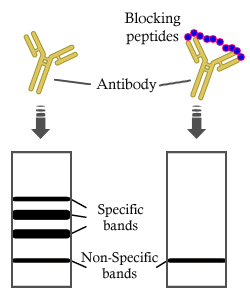
製品説明
*The optimal dilutions should be determined by the end user. For optimal experimental results, antibody reuse is not recommended.
*Tips:
WB: For western blot detection of denatured protein samples. IHC: For immunohistochemical detection of paraffin sections (IHC-p) or frozen sections (IHC-f) of tissue samples. IF/ICC: For immunofluorescence detection of cell samples. ELISA(peptide): For ELISA detection of antigenic peptide.
折りたたみ/展開
DCRR1; E3 ubiquitin protein ligase TTC3; E3 ubiquitin-protein ligase TTC3; Protein DCRR1; RING finger protein 105; RNF105; Tetratricopeptide repeat protein 3 (TPR repeat protein D); Tetratricopeptide repeat protein 3; TPR repeat protein 3; TPR repeat protein D; TPRD; TPRDI; TPRDII; TPRDIII; TTC3; TTC3_HUMAN;
免疫原
A synthesized peptide derived from human TTC3.
- P53804 TTC3_HUMAN:
- Protein BLAST With
- NCBI/
- ExPASy/
- Uniprot
MDNFAEGDFTVADYALLEDCPHVDDCVFAAEFMSNDYVRVTQLYCDGVGVQYKDYIQSERNLEFDICSIWCSKPISVLQDYCDAIKINIFWPLLFQHQNSSVISRLHPCVDANNSRASEINLKKLQHLELMEDIVDLAKKVANDSFLIGGLLRIGCKIENKILAMEEALNWIKYAGDVTILTKLGSIDNCWPMLSIFFTEYKYHITKIVMEDCNLLEELKTQSCMDCIEEGELMKMKGNEEFSKERFDIAIIYYTRAIEYRPENYLLYGNRALCFLRTGQFRNALGDGKRATILKNTWPKGHYRYCDALSMLGEYDWALQANIKAQKLCKNDPEGIKDLIQQHVKLQKQIEDLQGRTANKDPIKAFYENRAYTPRSLSAPIFTTSLNFVEKERDFRKINHEMANGGNQNLKVADEALKVDDCDCHPEFSPPSSQPPKHKGKQKSRNNESEKFSSSSPLTLPADLKNILEKQFSKSSRAAHQDFANIMKMLRSLIQDGYMALLEQRCRSAAQAFTELLNGLDPQKIKQLNLAMINYVLVVYGLAISLLGIGQPEELSEAENQFKRIIEHYPSEGLDCLAYCGIGKVYLKKNRFLEALNHFEKARTLIYRLPGVLTWPTSNVIIEESQPQKIKMLLEKFVEECKFPPVPDAICCYQKCHGYSKIQIYITDPDFKGFIRISCCQYCKIEFHMNCWKKLKTTTFNDKIDKDFLQGICLTPDCEGVISKIIIFSSGGEVKCEFEHKVIKEKVPPRPILKQKCSSLEKLRLKEDKKLKRKIQKKEAKKLAQERMEEDLRESNPPKNEEQKETVDNVQRCQFLDDRILQCIKQYADKIKSGIQNTAMLLKELLSWKVLSTEDYTTCFSSRNFLNEAVDYVIRHLIQENNRVKTRIFLHVLSELKEVEPKLAAWIQKLNSFGLDATGTFFSRYGASLKLLDFSIMTFLWNEKYGHKLDSIEGKQLDYFSEPASLKEARCLIWLLEEHRDKFPALHSALDEFFDIMDSRCTVLRKQDSGEAPFSSTKVKNKSKKKKPKDSKPMLVGSGTTSVTSNNEIITSSEDHSNRNSDSAGPFAVPDHLRQDVEEFEALYDQHSNEYVVRNKKLWDMNPKQKCSTLYDYFSQFLEEHGPLDMSNKMFSAEYEFFPEETRQILEKAGGLKPFLLGCPRFVVIDNCIALKKVASRLKKKRKKKNIKTKVEEISKAGEYVRVKLQLNPAAREFKPDVKSKPVSDSSSAPAFENVKPKPVSANSPKPACEDVKAKPVSDNSSRQVSEDGQPKGVSSNSPKPGSEDANYKRVSCNSPKPVLEDVKPTYWAQSHLVTGYCTYLPFQRFDITQTPPAYINVLPGLPQYTSIYTPLASLSPEYQLPRSVPVVPSFVANDRADKNAAAYFEGHHLNAENVAGHQIASETQILEGSLGISVKSHCSTGDAHTVLSESNRNDEHCGNSNNKCEVIPESTSAVTNIPHVQMVAIQVSWNIIHQEVNTEPYNPFEERQGEISRIEKEHQVLQDQLQEVYENYEQIKLKGLEETRDLEEKLKRHLEENKISKTELDWFLQDLEREIKKWQQEKKEIQERLKSLKKKIKKVSNASEMYTQKNDGKEKEHELHLDQSLEISNTLTNEKMKIEEYIKKGKEDYEESHQRAVAAEVSVLENWKESEVYKLQIMESQAEAFLKKLGLISRDPAAYPDMESDIRSWELFLSNVTKEIEKAKSQFEEQIKAIKNGSRLSELSKVQISELSFPACNTVHPELLPESSGDDGQGLVTSASDVTGNHAALHRDPSVFSAGDSPGEAPSALLPGPPPGQPEATQLTGPKRAGQAALSERSPVADRKQPVPPGRAARSSQSPKKPFNSIIEHLSVVFPCYNSTELAGFIKKVRSKNKNSLSGLSIDEIVQRVTEHILDEQKKKKPNPGKDKRTYEPSSATPVTRSSQGSPSVVVAPSPKTKGQKAEDVPVRIALGASSCEICHEVFKSKNVRVLKCGHKYHKGCFKQWLKGQSACPACQGRDLLTEESPSGRGWPSQNQELPSCSSR
研究背景
E3 ubiquitin-protein ligase which catalyzes the formation of 'Lys-48'-polyubiquitin chains. Mediates the ubiquitination and subsequent degradation of phosphorylated Akt (AKT1, AKT2 and AKT3) in the nucleus. Acts as a terminal regulator of Akt signaling after activation; its phosphorylation by Akt, which is a prerequisite for ubiquitin ligase activity, suggests the existence of a regulation mechanism required to control Akt levels after activation. Positively regulates TGFB1-induced epithelial-mesenchymal transition and myofibroblast differentiation by mediating the ubiquitination and subsequent degradation of SMURF2. Regulates neuronal differentiation by regulating actin remodeling and Golgi organization via a signaling cascade involving RHOA, CIT and ROCK. Inhibits cell proliferation.
Phosphorylation on Ser-378 by Akt is required for ubiquitin ligase activity.
Proteolytically cleaved into differently sized N- and C-terminal fragments.
Nucleus. Cytoplasm. Golgi apparatus.
Note: Nuclear localization may be dependent on the proteolytic cleavage of full length protein in the cytoplasm (PubMed:30203323). This cleavage may reveal an N-terminal nuclear localization signal, allowing N-terminal fragments to enter the nucleus (PubMed:30203323).
Found in all tissues examined.
Restrictive clause
Affinity Biosciences tests all products strictly. Citations are provided as a resource for additional applications that have not been validated by Affinity Biosciences. Please choose the appropriate format for each application and consult Materials and Methods sections for additional details about the use of any product in these publications.
For Research Use Only.
Not for use in diagnostic or therapeutic procedures. Not for resale. Not for distribution without written consent. Affinity Biosciences will not be held responsible for patent infringement or other violations that may occur with the use of our products. Affinity Biosciences, Affinity Biosciences Logo and all other trademarks are the property of Affinity Biosciences LTD.