

Control Products
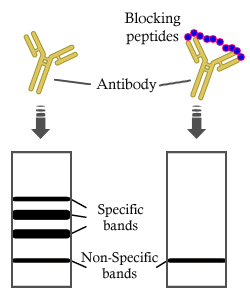
製品説明
*The optimal dilutions should be determined by the end user. For optimal experimental results, antibody reuse is not recommended.
*Tips:
WB: For western blot detection of denatured protein samples. IHC: For immunohistochemical detection of paraffin sections (IHC-p) or frozen sections (IHC-f) of tissue samples. IF/ICC: For immunofluorescence detection of cell samples. ELISA(peptide): For ELISA detection of antigenic peptide.
折りたたみ/展開
FLJ40969; JP-2; JP2; Jph2; JPH2_HUMAN; Junctophilin 2; Junctophilin type 2; Junctophilin-2; OTTHUMP00000031651; OTTHUMP00000031652;
免疫原
A synthesized peptide derived from human JPH2.
- Q9BR39 JPH2_HUMAN:
- Protein BLAST With
- NCBI/
- ExPASy/
- Uniprot
MSGGRFDFDDGGAYCGGWEGGKAHGHGLCTGPKGQGEYSGSWNFGFEVAGVYTWPSGNTFEGYWSQGKRHGLGIETKGRWLYKGEWTHGFKGRYGIRQSSSSGAKYEGTWNNGLQDGYGTETYADGGTYQGQFTNGMRHGYGVRQSVPYGMAVVVRSPLRTSLSSLRSEHSNGTVAPDSPASPASDGPALPSPAIPRGGFALSLLANAEAAARAPKGGGLFQRGALLGKLRRAESRTSVGSQRSRVSFLKSDLSSGASDAASTASLGEAAEGADEAAPFEADIDATTTETYMGEWKNDKRSGFGVSERSSGLRYEGEWLDNLRHGYGCTTLPDGHREEGKYRHNVLVKDTKRRMLQLKSNKVRQKVEHSVEGAQRAAAIARQKAEIAASRTSHAKAKAEAAEQAALAANQESNIARTLARELAPDFYQPGPEYQKRRLLQEILENSESLLEPPDRGAGAAGLPQPPRESPQLHERETPRPEGGSPSPAGTPPQPKRPRPGVSKDGLLSPGAWNGEPSGEGSRSVTPSEGAGRRSPARPATERMAIEALQAPPAPSREPEVALYQGYHSYAVRTTPPEPPPFEDQPEPEVSGSESAPSSPATAPLQAPTLRGPEPARETPAKLEPKPIIPKAEPRAKARKTEARGLTKAGAKKKARKEAALAAEAEVEVEEVPNTILICMVILLNIGLAILFVHLLT
研究背景
Membrane-binding protein that provides a structural bridge between the plasma membrane and the sarcoplasmic reticulum and is required for normal excitation-contraction coupling in cardiomyocytes. Provides a structural foundation for functional cross-talk between the cell surface and intracellular Ca(2+) release channels by maintaining the 12-15 nm gap between the sarcolemma and the sarcoplasmic reticulum membranes in the cardiac dyads (By similarity). Necessary for proper intracellular Ca(2+) signaling in cardiac myocytes via its involvement in ryanodine receptor-mediated calcium ion release (By similarity). Contributes to the construction of skeletal muscle triad junctions (By similarity).
Transcription repressor required to safeguard against the deleterious effects of cardiac stress. Generated following cleavage of the Junctophilin-2 chain by calpain in response to cardiac stress in cardiomyocytes. Following cleavage and release from the membrane, translocates to the nucleus, binds DNA and represses expression of genes implicated in cell growth and differentiation, hypertrophy, inflammation and fibrosis. Modifies the transcription profile and thereby attenuates pathological remodeling in response to cardiac stress. Probably acts by competing with MEF2 transcription factors and TATA-binding proteins.
Phosphorylation on Ser-165, probably by PKC, affects RYR1-mediated calcium ion release, interaction with TRPC3, and skeletal muscle myotubule development.
Proteolytically cleaved by calpain in response to cardiac stress. The major cleavage site takes place at the C-terminus and leads to the release of the Junctophilin-2 N-terminal fragment chain (JP2NT).
Cell membrane>Peripheral membrane protein. Sarcoplasmic reticulum membrane>Single-pass type IV membrane protein. Endoplasmic reticulum membrane>Single-pass type IV membrane protein.
Note: The transmembrane domain is anchored in sarcoplasmic reticulum membrane, while the N-terminal part associates with the plasma membrane. In heart cells, it predominantly associates along Z lines within myocytes. In skeletal muscle, it is specifically localized at the junction of A and I bands.
Nucleus.
Note: Accumulates in the nucleus of stressed hearts.
Specifically expressed in skeletal muscle and heart.
The MORN (membrane occupation and recognition nexus) repeats contribute to the plasma membrane binding, by interacting with phospholipids (PubMed:24001019). Has affinity for phosphatidylserine, and phosphorylated phosphatidylinositols including PtdIns3P, PtdIns4P, PtdIns5P, PtdIns(3,5)P2 and PtdIns(3,4,5)P3 (PubMed:24001019).
The bipartite nuclear localization signal (bNLS) and Ala-rich (alanine-rich; ARR) regions are involved in DNA-binding.
Belongs to the junctophilin family.
Restrictive clause
Affinity Biosciences tests all products strictly. Citations are provided as a resource for additional applications that have not been validated by Affinity Biosciences. Please choose the appropriate format for each application and consult Materials and Methods sections for additional details about the use of any product in these publications.
For Research Use Only.
Not for use in diagnostic or therapeutic procedures. Not for resale. Not for distribution without written consent. Affinity Biosciences will not be held responsible for patent infringement or other violations that may occur with the use of our products. Affinity Biosciences, Affinity Biosciences Logo and all other trademarks are the property of Affinity Biosciences LTD.