


Control Products
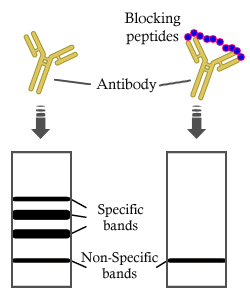
製品説明
*The optimal dilutions should be determined by the end user. For optimal experimental results, antibody reuse is not recommended.
*Tips:
WB: For western blot detection of denatured protein samples. IHC: For immunohistochemical detection of paraffin sections (IHC-p) or frozen sections (IHC-f) of tissue samples. IF/ICC: For immunofluorescence detection of cell samples. ELISA(peptide): For ELISA detection of antigenic peptide.
免疫原
A synthesized peptide derived from Human ch TOG.
Overexpressed in hepatomas and colonic tumors. Also expressed in skeletal muscle, brain, heart, placenta, lung, liver, kidney and pancreas. Expression is elevated in the brain; highly expressed in the Purkinje cell bodies of the cerebellum.
- Q14008 CKAP5_HUMAN:
- Protein BLAST With
- NCBI/
- ExPASy/
- Uniprot
MGDDSEWLKLPVDQKCEHKLWKARLSGYEEALKIFQKIKDEKSPEWSKFLGLIKKFVTDSNAVVQLKGLEAALVYVENAHVAGKTTGEVVSGVVSKVFNQPKAKAKELGIEICLMYIEIEKGEAVQEELLKGLDNKNPKIIVACIETLRKALSEFGSKIILLKPIIKVLPKLFESREKAVRDEAKLIAVEIYRWIRDALRPPLQNINSVQLKELEEEWVKLPTSAPRPTRFLRSQQELEAKLEQQQSAGGDAEGGGDDGDEVPQIDAYELLEAVEILSKLPKDFYDKIEAKKWQERKEALESVEVLIKNPKLEAGDYADLVKALKKVVGKDTNVMLVALAAKCLTGLAVGLRKKFGQYAGHVVPTILEKFKEKKPQVVQALQEAIDAIFLTTTLQNISEDVLAVMDNKNPTIKQQTSLFIARSFRHCTASTLPKSLLKPFCAALLKHINDSAPEVRDAAFEALGTALKVVGEKAVNPFLADVDKLKLDKIKECSEKVELIHGKKAGLAADKKEFKPLPGRTAASGAAGDKDTKDISAPKPGPLKKAPAAKAGGPPKKGKPAAPGGAGNTGTKNKKGLETKEIVEPELSIEVCEEKASAVLPPTCIQLLDSSNWKERLACMEEFQKAVELMDRTEMPCQALVRMLAKKPGWKETNFQVMQMKLHIVALIAQKGNFSKTSAQVVLDGLVDKIGDVKCGNNAKEAMTAIAEACMLPWTAEQVVSMAFSQKNPKNQSETLNWLSNAIKEFGFSGLNVKAFISNVKTALAATNPAVRTAAITLLGVMYLYVGPSLRMFFEDEKPALLSQIDAEFEKMQGQSPPAPTRGISKHSTSGTDEGEDGDEPDDGSNDVVDLLPRTEISDKITSELVSKIGDKNWKIRKEGLDEVAGIINDAKFIQPNIGELPTALKGRLNDSNKILVQQTLNILQQLAVAMGPNIKQHVKNLGIPIITVLGDSKNNVRAAALATVNAWAEQTGMKEWLEGEDLSEELKKENPFLRQELLGWLAEKLPTLRSTPTDLILCVPHLYSCLEDRNGDVRKKAQDALPFFMMHLGYEKMAKATGKLKPTSKDQVLAMLEKAKVNMPAKPAPPTKATSKPMGGSAPAKFQPASAPAEDCISSSTEPKPDPKKAKAPGLSSKAKSAQGKKMPSKTSLKEDEDKSGPIFIVVPNGKEQRMKDEKGLKVLKWNFTTPRDEYIEQLKTQMSSCVAKWLQDEMFHSDFQHHNKALAVMVDHLESEKEGVIGCLDLILKWLTLRFFDTNTSVLMKALEYLKLLFTLLSEEEYHLTENEASSFIPYLVVKVGEPKDVIRKDVRAILNRMCLVYPASKMFPFIMEGTKSKNSKQRAECLEELGCLVESYGMNVCQPTPGKALKEIAVHIGDRDNAVRNAALNTIVTVYNVHGDQVFKLIGNLSEKDMSMLEERIKRSAKRPSAAPIKQVEEKPQRAQNISSNANMLRKGPAEDMSSKLNQARSMSGHPEAAQMVRREFQLDLDEIENDNGTVRCEMPELVQHKLDDIFEPVLIPEPKIRAVSPHFDDMHSNTASTINFIISQVASGDINTSIQALTQIDEVLRQEDKAEAMSGHIDQFLIATFMQLRLIYNTHMADEKLEKDEIIKLYSCIIGNMISLFQIESLAREASTGVLKDLMHGLITLMLDSRIEDLEEGQQVIRSVNLLVVKVLEKSDQTNILSALLVLLQDSLLATASSPKFSELVMKCLWRMVRLLPDTINSINLDRILLDIHIFMKVFPKEKLKQCKSEFPIRTLKTLLHTLCKLKGPKILDHLTMIDNKNESELEAHLCRMMKHSMDQTGSKSDKETEKGASRIDEKSSKAKVNDFLAEIFKKIGSKENTKEGLAELYEYKKKYSDADIEPFLKNSSQFFQSYVERGLRVIEMEREGKGRISTSTGISPQMEVTCVPTPTSTVSSIGNTNGEEVGPSVYLERLKILRQRCGLDNTKQDDRPPLTSLLSKPAVPTVASSTDMLHSKLSQLRESREQHQHSDLDSNQTHSSGTVTSSSSTANIDDLKKRLERIKSSRK
研究背景
Binds to the plus end of microtubules and regulates microtubule dynamics and microtubule organization. Acts as processive microtubule polymerase. Promotes cytoplasmic microtubule nucleation and elongation. Plays a major role in organizing spindle poles. In spindle formation protects kinetochore microtubules from depolymerization by KIF2C and has an essential role in centrosomal microtubule assembly independently of KIF2C activity. Contributes to centrosome integrity. Acts as component of the TACC3/ch-TOG/clathrin complex proposed to contribute to stabilization of kinetochore fibers of the mitotic spindle by acting as inter-microtubule bridge. The TACC3/ch-TOG/clathrin complex is required for the maintenance of kinetochore fiber tension. Enhances the strength of NDC80 complex-mediated kinetochore-tip microtubule attachments.
Cytoplasm>Cytoskeleton>Microtubule organizing center>Centrosome. Cytoplasm>Cytoskeleton>Spindle pole. Cytoplasm>Cytoskeleton>Spindle. Chromosome>Centromere>Kinetochore.
Note: Detected on centrosomes and kinetochores during interphase and mitosis independently from TACC3 and clathrin. Located to spindle poles and microtubules during mitosis. In complex with TACC3 localized to microtubule plus-ends in mitosis and interphase. In complex with TACC3 and clathrin localized to inter-microtubule bridges in mitotic spindles. Accumulation sites at microtubule plus ends protruded approximately 100 nm from MAPRE1/EB1 sites in interphase cells.
Overexpressed in hepatomas and colonic tumors. Also expressed in skeletal muscle, brain, heart, placenta, lung, liver, kidney and pancreas. Expression is elevated in the brain; highly expressed in the Purkinje cell bodies of the cerebellum.
The TOG (tumor overexpressed gene) domains are arranged in a N-terminal pentameric array with each domain composed of six (for the most part non-canonical) HEAT repeats forming a oblong paddle-like structure. Intra-HEAT loops are positioned along a face of the TOG domain and bind to a single alpha/beta-tubulin heterodimer. The TOG domains in the array seem to be structurally and functionally polarized. Differential functions may range from microtubule (MT) lattice binding and/or free tubulin heterodimer binding to potentiating stable incorporation of tubulin into the MT lattice.
Belongs to the TOG/XMAP215 family.
Restrictive clause
Affinity Biosciences tests all products strictly. Citations are provided as a resource for additional applications that have not been validated by Affinity Biosciences. Please choose the appropriate format for each application and consult Materials and Methods sections for additional details about the use of any product in these publications.
For Research Use Only.
Not for use in diagnostic or therapeutic procedures. Not for resale. Not for distribution without written consent. Affinity Biosciences will not be held responsible for patent infringement or other violations that may occur with the use of our products. Affinity Biosciences, Affinity Biosciences Logo and all other trademarks are the property of Affinity Biosciences LTD.