
| 製品: | SMCHD1 Antibody |
| カタログ: | DF13365 |
| タンパク質の説明: | Rabbit polyclonal antibody to SMCHD1 |
| アプリケーション: | WB IHC |
| 反応性: | Human, Mouse, Rat |
| 予測: | Pig, Bovine, Sheep, Rabbit, Dog, Chicken |
| 分子量: | 226kDa(Observed); 226kD(Calculated). |
| ユニプロット: | A6NHR9 |
| RRID: | AB_2846384 |
Control Products
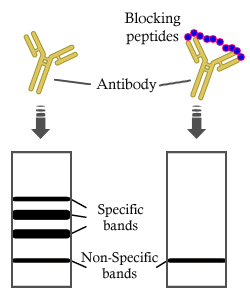
製品説明
*The optimal dilutions should be determined by the end user. For optimal experimental results, antibody reuse is not recommended.
*Tips:
WB: For western blot detection of denatured protein samples. IHC: For immunohistochemical detection of paraffin sections (IHC-p) or frozen sections (IHC-f) of tissue samples. IF/ICC: For immunofluorescence detection of cell samples. ELISA(peptide): For ELISA detection of antigenic peptide.
引用形式: Affinity Biosciences Cat# DF13365, RRID:AB_2846384.
折りたたみ/展開
BAMS; FSHD2; KIAA0650; SMC hinge domain containing 1; SMC hinge domain containing protein 1; Smchd1; SMHD1_HUMAN; Structural maintenance of chromosomes flexible hinge domain containing 1; Structural maintenance of chromosomes flexible hinge domain-containing protein 1;
免疫原
A synthesized peptide derived from human SMCHD1, corresponding to a region within C-terminal amino acids.
- A6NHR9 SMHD1_HUMAN:
- Protein BLAST With
- NCBI/
- ExPASy/
- Uniprot
MAAADGGGPGGASVGTEEDGGGVGHRTVYLFDRREKESELGDRPLQVGERSDYAGFRACVCQTLGISPEEKFVITTTSRKEITCDNFDETVKDGVTLYLLQSVNQLLLTATKERIDFLPHYDTLVKSGMYEYYASEGQNPLPFALAELIDNSLSATSRNIGVRRIQIKLLFDETQGKPAVAVIDNGRGMTSKQLNNWAVYRLSKFTRQGDFESDHSGYVRPVPVPRSLNSDISYFGVGGKQAVFFVGQSARMISKPADSQDVHELVLSKEDFEKKEKNKEAIYSGYIRNRKPSDSVHITNDDERFLHHLIIEEKEKDSFTAVVITGVQPEHIQYLKNYFHLWTRQLAHIYHYYIHGPKGNEIRTSKEVEPFNNIDIEISMFEKGKVPKIVNLREIQDDMQTLYVNTAADSFEFKAHVEGDGVVEGIIRYHPFLYDRETYPDDPCFPSKLKDEDDEDDCFILEKAARGKRPIFECFWNGRLIPYTSVEDFDWCTPPKKRGLAPIECYNRISGALFTNDKFQVSTNKLTFMDLELKLKDKNTLFTRILNGQEQRMKIDREFALWLKDCHEKYDKQIKFTLFKGVITRPDLPSKKQGPWATYAAIEWDGKIYKAGQLVKTIKTLPLFYGSIVRFFLYGDHDGEVYATGGEVQIAMEPQALYDEVRTVPIAKLDRTVAEKAVKKYVEDEMARLPDRLSVTWPEGDELLPNEVRPAGTPIGALRIEILNKKGEAMQKLPGTSHGGSKKLLVELKVILHSSSGNKEIISHISQHGGKWPYWFKKMENIQKLGNYTLKLQVVLNESNADTYAGRPLPSKAIKFSVKEGKPEKFSFGLLDLPFRVGVPFNIPLEFQDEFGHTSQLVTDIQPVLEASGLSLHYEEITKGPNCVIRGVTAKGPVNSCQGKNYNLKVTLPGLKEDSQILKIRLLPGHPRRLKVKPDSEILVIENGTAFPFQVEVLDESDNITAQPKLIVHCKFSGAPNLPVYVVDCSSSGTSILTGSAIQVQNIKKDQTLKARIEIPSCKDVAPVEKTIKLLPSSHVARLQIFSVEGQKAIQIKHQDEVNWIAGDIMHNLIFQMYDEGEREINITSALAEKIKVNWTPEINKEHLLQGLLPDVQVPTSVKDMRYCQVSFQDDHVSLESAFTVRPLPDEPKHLKCEMKGGKTVQMGQELQGEVVIIITDQYGNQIQAFSPSSLSSLSIAGVGLDSSNLKTTFQENTQSISVRGIKFIPGPPGNKDLCFTWREFSDFIRVQLISGPPAKLLLIDWPELKESIPVINGRDLQNPIIVQLCDQWDNPAPVQHVKISLTKASNLKLMPSNQQHKTDEKGRANLGVFSVFAPRGEHTLQVKAIYNKSIIEGPIIKLMILPDPEKPVRLNVKYDKDASFLAGGLFTDFMISVISEDDSIIKNINPARISMKMWKLSTSGNRPPANAETFSCNKIKDNDKEDGCFYFRDKVIPNKVGTYCIQFGFMMDKTNILNSEQVIVEVLPNQPVKLVPKIKPPTPAVSNVRSVASRTLVRDLHLSITDDYDNHTGIDLVGTIIATIKGSNEEDTDTPLFIGKVRTLEFPFVNGSAEIMSLVLAESSPGRDSTEYFIVFEPRLPLLSRTLEPYILPFMFYNDVKKQQQMAALTKEKDQLSQSIVMYKSLFEASQQLLNEMKCQVEEARLKEAQLRNELKIHNIDIPTTQQVPHIEALLKRKLSEQEELKKKPRRSCTLPNYTKGSGDVLGKIAHLAQIEDDRAAMVISWHLASDMDCVVTLTTDAARRIYDETQGRQQVLPLDSIYKKTLPDWKRSLPHFRNGKLYFKPIGDPVFARDLLTFPDNVEHCETVFGMLLGDTIILDNLDAANHYRKEVVKITHCPTLLTRDGDRIRSNGKFGGLQNKAPPMDKLRGMVFGAPVPKQCLILGEQIDLLQQYRSAVCKLDSVNKDLNSQLEYLRTPDMRKKKQELDEHEKNLKLIEEKLGMTPIRKCNDSLRHSPKVETTDCPVPPKRMRREATRQNRIITKTDV
種類予測
Score>80(red) has high confidence and is suggested to be used for WB detection. *The prediction model is mainly based on the alignment of immunogen sequences, the results are for reference only, not as the basis of quality assurance.
High(score>80) Medium(80>score>50) Low(score<50) No confidence
研究背景
Non-canonical member of the structural maintenance of chromosomes (SMC) protein family that plays a key role in epigenetic silencing by regulating chromatin architecture (By similarity). Promotes heterochromatin formation in both autosomes and chromosome X, probably by mediating the merge of chromatin compartments (By similarity). Plays a key role in chromosome X inactivation in females by promoting the spreading of heterochromatin. Recruited to inactivated chromosome X by Xist RNA and acts by mediating the merge of chromatin compartments: promotes random chromatin interactions that span the boundaries of existing structures, leading to create a compartment-less architecture typical of inactivated chromosome X (By similarity). Required to facilitate Xist RNA spreading (By similarity). Also required for silencing of a subset of clustered autosomal loci in somatic cells, such as the DUX4 locus. Has ATPase activity; may participate in structural manipulation of chromatin in an ATP-dependent manner as part of its role in gene expression regulation. Also plays a role in DNA repair: localizes to sites of DNA double-strand breaks in response to DNA damage to promote the repair of DNA double-strand breaks. Acts by promoting non-homologous end joining (NHEJ) and inhibiting homologous recombination (HR) repair.
Sumoylated with SUMO1.
Chromosome.
Note: Recruited to inactivated chromosome X in females by Xist RNA (By similarity). Localizes at sites of DNA damage at double-strand breaks (DSBs) (PubMed:25294876, PubMed:24790221).
Atypical member of the structural maintenance of chromosomes (SMC) protein family. Like other members of the SMC family, has ATPase activity, which is probably necessary for its engagement with chromatin, and a SMC hinge domain. However, the SMC hinge domain adopts an unconventional homodimeric arrangement augmented by an intermolecular coiled coil formed between the two monomers. This suggests that protein may assemble as a head-to-head parallel dimer without adopting a hairpin shape at the hinge domain, unlike the dimeric arrangement conventionally found in other members of the SMC protein family. The SMC hinge domain binds DNA and RNA.
Belongs to the SMC family. Highly divergent.
Restrictive clause
Affinity Biosciences tests all products strictly. Citations are provided as a resource for additional applications that have not been validated by Affinity Biosciences. Please choose the appropriate format for each application and consult Materials and Methods sections for additional details about the use of any product in these publications.
For Research Use Only.
Not for use in diagnostic or therapeutic procedures. Not for resale. Not for distribution without written consent. Affinity Biosciences will not be held responsible for patent infringement or other violations that may occur with the use of our products. Affinity Biosciences, Affinity Biosciences Logo and all other trademarks are the property of Affinity Biosciences LTD.