CEP152 Antibody - #AF9041
| 製品: | CEP152 Antibody |
| カタログ: | AF9041 |
| タンパク質の説明: | Rabbit polyclonal antibody to CEP152 |
| アプリケーション: | IHC IF/ICC |
| 反応性: | Human |
| 予測: | Pig, Bovine, Horse, Sheep, Dog |
| 分子量: | 140kDa(Observed); 196kD(Calculated). |
| ユニプロット: | O94986 |
| RRID: | AB_2843232 |
Control Products
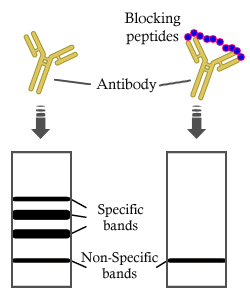
製品説明
*The optimal dilutions should be determined by the end user. For optimal experimental results, antibody reuse is not recommended.
*Tips:
WB: For western blot detection of denatured protein samples. IHC: For immunohistochemical detection of paraffin sections (IHC-p) or frozen sections (IHC-f) of tissue samples. IF/ICC: For immunofluorescence detection of cell samples. ELISA(peptide): For ELISA detection of antigenic peptide.
引用形式: Affinity Biosciences Cat# AF9041, RRID:AB_2843232.
折りたたみ/展開
Asterless; CE152_HUMAN; Centrosomal protein 152kDa; Centrosomal protein of 152 kDa; Cep152; FLJ21594; KIAA0912; MCPH4; MCPH9; Microcephaly primary autosomal recessive 4; SCKL5;
免疫原
A synthesized peptide derived from human CEP152, corresponding to a region within C-terminal amino acids.
- O94986 CE152_HUMAN:
- Protein BLAST With
- NCBI/
- ExPASy/
- Uniprot
MSLDFGSVALPVQNEDEEYDEEDYEREKELQQLLTDLPHDMLDDDLSSPELQYSDCSEDGTDGQPHHPEQLEMSWNEQMLPKSQSVNGYNEIQSLYAGEKCGNVWEENRSKTEDRHPVYHPEEGGDEGGSGYSPPSKCEQTDLYHLPENFRPYTNGQKQEFNNQATNVIKFSDPQWNHFQGPSCQGLEPYNKVTYKPYQSSAQNNGSPAQEITGSDTFEGLQQQFLGANENSAENMQIIQLQVLNKAKERQLENLIEKLNESERQIRYLNHQLVIIKDEKDGLTLSLRESQKLFQNGKEREIQLEAQIKALETQIQALKVNEEQMIKKSRTTEMALESLKQQLVDLHHSESLQRAREQHESIVMGLTKKYEEQVLSLQKNLDATVTALKEQEDICSRLKDHVKQLERNQEAIKLEKTEIINKLTRSLEESQKQCAHLLQSGSVQEVAQLQFQLQQAQKAHAMSANMNKALQEELTELKDEISLYESAAKLGIHPSDSEGELNIELTESYVDLGIKKVNWKKSKVTSIVQEEDPNEELSKDEFILKLKAEVQRLLGSNSMKRHLVSQLQNDLKDCHKKIEDLHQVKKDEKSIEVETKTDTSEKPKNQLWPESSTSDVVRDDILLLKNEIQVLQQQNQELKETEGKLRNTNQDLCNQMRQMVQDFDHDKQEAVDRCERTYQQHHEAMKTQIRESLLAKHALEKQQLFEAYERTHLQLRSELDKLNKEVTAVQECYLEVCREKDNLELTLRKTTEKEQQTQEKIKEKLIQQLEKEWQSKLDQTIKAMKKKTLDCGSQTDQVTTSDVISKKEMAIMIEEQKCTIQQNLEQEKDIAIKGAMKKLEIELELKHCENITKQVEIAVQNAHQRWLGELPELAEYQALVKAEQKKWEEQHEVSVNKRISFAVSEAKEKWKSELENMRKNILPGKELEEKIHSLQKELELKNEEVPVVIRAELAKARSEWNKEKQEEIHRIQEQNEQDYRQFLDDHRNKINEVLAAAKEDFMKQKTELLLQKETELQTCLDQSRREWTMQEAKRIQLEIYQYEEDILTVLGVLLSDTQKEHISDSEDKQLLEIMSTCSSKWMSVQYFEKLKGCIQKAFQDTLPLLVENADPEWKKRNMAELSKDSASQGTGQGDPGPAAGHHAQPLALQATEAEADKKKVLEIKDLCCGHCFQELEKAKQECQDLKGKLEKCCRHLQHLERKHKAVVEKIGEENNKVVEELIEENNDMKNKLEELQTLCKTPPRSLSAGAIENACLPCSGGALEELRGQYIKAVKKIKCDMLRYIQESKERAAEMVKAEVLRERQETARKMRKYYLICLQQILQDDGKEGAEKKIMNAASKLATMAKLLETPISSKSQSKTTQSALPLTSEMLIAVKKSKRNDVNQKIPCCIESKSNSVNTITRTLCEQAPKRRAACNLQRLLENSEHQSIKHVGSKETHLEFQFGDGSCKHLNSLPRNVSPEFVPCEGEGGFGLHKKKDLLSDNGSESLPHSAAYPFLGTLGNKPSPRCTPGPSESGCMHITFRDSNERLGLKVYKCNPLMESENAASEKSQGLDVQEPPVKDGGDLSDCLGWPSSSATLSFDSREASFVHGRPQGTLEIPSESVKSKQFSPSGYLSDTEESNMICQTMKCQRYQTPYLSEETTYLEPGKISVNCGHPSRHKADRLKSDFKKLSSTLPSSVCQQPSRKLIVPLSSQQDSGFDSPFVNLD
種類予測
Score>80(red) has high confidence and is suggested to be used for WB detection. *The prediction model is mainly based on the alignment of immunogen sequences, the results are for reference only, not as the basis of quality assurance.
High(score>80) Medium(80>score>50) Low(score<50) No confidence
研究背景
Necessary for centrosome duplication; the function seems also to involve CEP63, CDK5RAP2 and WDR62 through a stepwise assembled complex at the centrosome that recruits CDK2 required for centriole duplication. Acts as a molecular scaffold facilitating the interaction of PLK4 and CENPJ, 2 molecules involved in centriole formation. Proposed to snatch PLK4 away from PLK4:CEP92 complexes in early G1 daughter centriole and to reposition PLK4 at the outer boundary of a newly forming CEP152 ring structure. Also plays a key role in deuterosome-mediated centriole amplification in multiciliated that can generate more than 100 centrioles (By similarity). Overexpression of CEP152 can drive amplification of centrioles.
Cytoplasm>Cytoskeleton>Microtubule organizing center>Centrosome. Cytoplasm>Cytoskeleton>Microtubule organizing center>Centrosome>Centriole.
Note: Colocalizes with CDK5RAP2, WDR62 and CEP63 in a discrete ring around the proximal end of the parental centriole. At this site, a cohesive structure is predicted to engage parental centrioles and procentrioles (PubMed:21983783, PubMed:26297806). Localizes to the deuterosome (By similarity). Localizes to pericentriolar material (PCM) (PubMed:26337392).
Belongs to the CEP152 family.
Restrictive clause
Affinity Biosciences tests all products strictly. Citations are provided as a resource for additional applications that have not been validated by Affinity Biosciences. Please choose the appropriate format for each application and consult Materials and Methods sections for additional details about the use of any product in these publications.
For Research Use Only.
Not for use in diagnostic or therapeutic procedures. Not for resale. Not for distribution without written consent. Affinity Biosciences will not be held responsible for patent infringement or other violations that may occur with the use of our products. Affinity Biosciences, Affinity Biosciences Logo and all other trademarks are the property of Affinity Biosciences LTD.